Dust wipe clearance testing is a certified process used to detect lead dust contamination on surfaces after renovation, repair, or lead abatement to ensure the property is safe and meets regulatory standards.
It is a critical step in confirming that a home or building is safe for occupancy—especially in properties with children or older construction.
Why Dust Wipe Clearance Testing Is Important
After any work that disturbs painted surfaces, microscopic lead dust can settle on floors, windows, and other areas. Without proper dust wipe clearance testing, this contamination can go unnoticed.
Key Reasons It Matters:
- Protects children from lead exposure
- Ensures compliance with safety laws
- Confirms successful lead removal
- Prevents long-term health risks
Even small amounts of lead dust can pose serious health dangers.
When Is Dust Wipe Clearance Testing Required?
Dust wipe clearance testing is typically required:
- After lead abatement or removal
- Following renovation or repair work
- In properties built before 1978
- For rental compliance and inspections
- Before re-occupying a treated space
Many local regulations mandate this testing before a property can be considered safe.
How Dust Wipe Clearance Testing Works
1. Surface Sampling
Certified professionals collect dust samples from:
- Floors
- Window sills
- Window troughs
These are the most common areas where lead dust accumulates.
2. Laboratory Analysis
Samples are sent to certified laboratories where:
- Lead levels are measured
- Results are compared to safety standards
3. Clearance Determination
If lead levels are below regulatory limits:
- The property passes clearance
If levels exceed limits:
- Additional cleaning or remediation is required
What Surfaces Are Tested?
During dust wipe clearance testing, key surfaces include:
- Floors in living areas
- Interior window sills
- Window troughs (high-risk zones)
- High-contact surfaces
These areas are most likely to collect contaminated dust.
What Happens If You Fail a Clearance Test?
If your property fails dust wipe clearance testing:
- Additional cleaning is required
- Re-testing must be conducted
- Occupancy may be restricted
- Compliance issues may arise
This is why professional testing is essential to ensure accurate results.
Benefits of Professional Dust Wipe Clearance Testing
Working with certified experts ensures:
- Accurate sample collection
- Reliable lab results
- Compliance with regulations
- Faster approval for occupancy
Professional testing reduces the risk of costly delays or repeat inspections.
Common Mistakes to Avoid
- Skipping clearance testing after renovations
- Using uncertified inspectors
- Incomplete cleaning before testing
- Ignoring high-risk areas like windows
Avoiding these mistakes improves your chances of passing on the first attempt.
Why Choose LeadFreeNYC Specialists
For reliable and compliant dust wipe clearance testing, LeadFreeNYC Specialists provide:
- Certified and experienced inspectors
- Accurate dust sampling and lab coordination
- Fast reporting and compliance documentation
- Full adherence to safety regulations
For property-specific testing and expert guidance, simply contact for price and consultation.
Pro Tips for Passing Dust Wipe Clearance Testing
- Perform thorough cleaning before testing
- Focus on windows and floors
- Use HEPA vacuum systems
- Hire certified professionals for inspections
Preparation significantly increases your chances of passing.
Conclusion
Dust wipe clearance testing is a critical step in ensuring a property is safe after renovation or lead abatement. It confirms that harmful lead dust has been effectively removed and that the environment meets safety standards.
To ensure accurate results and full compliance, work with certified professionals like LeadFreeNYC Specialists and 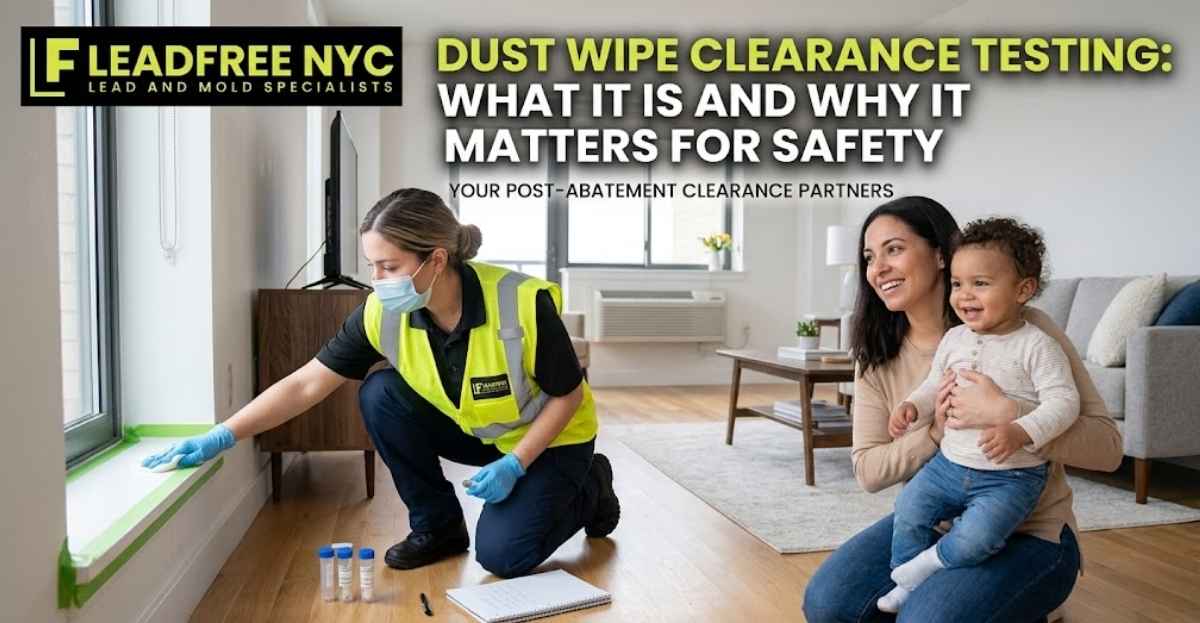 contact for price based on your property needs.
FAQ: Dust Wipe Clearance Testing
What is dust wipe clearance testing?
It is a process used to detect lead dust on surfaces after renovation or lead removal.
Is dust wipe clearance testing required?
Yes, in many cases—especially after lead abatement or in older properties.
How long does dust wipe clearance testing take?
Sampling is quick, but lab results may take a few days.
What happens if I fail the test?
You must clean the property again and repeat the testing process.
Can I do dust wipe testing myself?
Professional testing is recommended for accurate and compliant results.