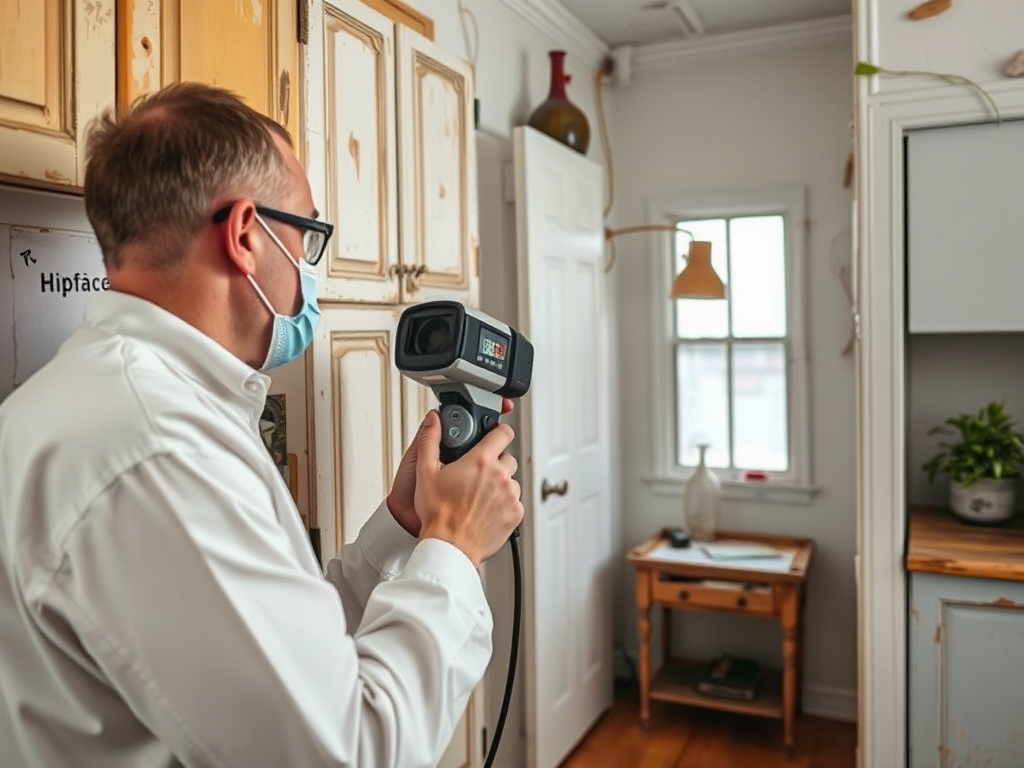
Property owners and landlords in New York City must follow strict regulations to protect tenants from the dangers of lead-based paint. Understanding lead paint inspection nyc requirements is essential for maintaining safe housing, avoiding violations, and ensuring compliance with local laws. Buildings constructed before 1978 are especially subject to these rules, as they are more likely to contain lead-based paint hazards.
In this in-depth guide, we break down the key lead paint inspection nyc requirements, explain when inspections are necessary, and outline how property owners can stay compliant while protecting residents.
Why Lead Paint Inspections Are Required in NYC
Lead exposure can cause serious health issues, particularly for young children and pregnant women. Even small amounts of lead dust from deteriorating paint can lead to long-term developmental and neurological problems. Because of these risks, New York City enforces strict inspection and safety standards for residential properties.
The primary goals of these regulations are to:
- Prevent lead poisoning in children
- Ensure safe living conditions in residential buildings
- Identify and correct lead hazards early
- Hold property owners accountable for maintaining safe housing
- Reduce environmental health risks in older properties
Meeting lead paint inspection nyc requirements is not only a legal obligation but also a critical responsibility for landlords and property managers.
Which Properties Must Follow Lead Paint Inspection NYC Requirements
Most residential properties built before 1978 must comply with lead safety regulations, especially if children under six years old live in the unit. These rules typically apply to:
- Rental apartments in multi-family buildings
- Single-family rental homes
- Condominiums and cooperative housing units
- Daycare facilities and child-occupied spaces
- Buildings undergoing renovation or repair work
Property owners should assume their building requires compliance if it was constructed before 1978 unless testing confirms the absence of lead-based paint.
Key Lead Paint Inspection NYC Requirements for Property Owners
Understanding the specific requirements helps property owners avoid penalties and maintain safe environments. The following are the most important lead paint inspection nyc requirements to know:
1. Annual Visual Inspections
Landlords must conduct yearly visual inspections of painted surfaces in apartments and common areas to identify peeling, chipping, or damaged paint.
2. XRF Lead Paint Testing
Certified inspectors use specialized equipment to test painted surfaces and determine whether lead is present. This type of inspection provides accurate, non-destructive results and is commonly required for compliance documentation.
3. Dust Wipe Sampling After Repairs
After renovation, repair, or remediation work, dust wipe clearance testing must be completed to ensure the area is safe for occupancy.
4. Recordkeeping and Documentation
Property owners must maintain detailed records of inspections, repairs, and corrective actions. These records may be requested during audits or enforcement actions.
5. Prompt Hazard Correction
If lead hazards are identified, property owners must address them quickly using approved lead-safe work practices.
Failing to meet these lead paint inspection nyc requirements can result in fines, legal action, and potential liability.
When You Should Schedule a Lead Paint Inspection
Knowing when to schedule an inspection is essential for staying compliant. Property owners should arrange testing in the following situations:
- Before renting or leasing a pre-1978 property
- When a child under six moves into a unit
- Prior to renovation or remodeling work
- After completing lead hazard repairs
- When peeling or damaged paint is observed
- During property purchase or sale transactions
Routine inspections help identify risks early and prevent costly violations.
Consequences of Not Following Lead Paint Inspection Requirements
Ignoring or delaying required inspections can lead to significant legal and financial consequences. Property owners who fail to comply with lead paint inspection nyc requirements may face:
- Government fines and penalties
- Housing violations and enforcement actions
- Increased liability in tenant lawsuits
- Delays in property sales or leasing
- Damage to professional reputation
In severe cases, non-compliance can result in mandatory remediation orders or court proceedings.
How Professional Lead Inspectors Help Ensure Compliance
Working with qualified professionals makes it easier to meet regulatory standards and maintain safe housing conditions. Certified inspectors provide accurate testing, documentation, and compliance guidance.
Professional inspection services typically include:
- Comprehensive property assessment
- XRF lead paint testing
- Dust wipe sampling and laboratory analysis
- Detailed inspection reports
- Compliance recommendations
- Ongoing support for property owners
Hiring experienced inspectors ensures that all lead paint inspection nyc requirements are completed correctly and documented properly.
Best Practices for Staying Compliant with Lead Paint Inspection NYC Requirements
Property owners can reduce risks and maintain compliance by following these practical steps:
- Schedule inspections on a regular basis
- Keep detailed maintenance and inspection records
- Address peeling paint immediately
- Use certified professionals for testing and repairs
- Educate tenants about lead safety
- Conduct inspections before and after renovation work
Proactive property management helps prevent violations and protects both residents and investments.
The Role of Lead Safety in Protecting Tenants and Property Value
Lead safety is an essential part of responsible property ownership. Maintaining compliance with lead paint inspection nyc requirements protects tenant health, reduces liability risks, and preserves property value. Safe housing environments also improve tenant satisfaction and support long-term occupancy.
At Leadfreenyc,property owners receive professional guidance and reliable inspection services designed to meet regulatory standards and ensure safe living conditions. Experienced inspectors help landlords navigate complex regulations and maintain compliance with confidence.
Conclusion
Understanding and following lead paint inspection nyc requirements is critical for property owners in New York City who want to maintain safe, compliant housing. Regular inspections help identify hazards early, prevent health risks, and protect against costly violations. By staying informed and working with qualified professionals, landlords and property managers can ensure their properties meet legal standards while safeguarding the well-being of residents.