Renovation projects breathe new life into older New York City properties, but they also come with hidden risks—especially when it comes to lead-based paint. Before a single wall is opened or window frame is removed, property owners must understand what lies beneath the surface. That’s where xrf testing nyc becomes essential.
For buildings constructed before 1978, lead hazards are common, especially in paint layers that are not visible on the surface. Using highly accurate, non-destructive technology, XRF lead testing NYC provides instant readings that help property owners plan renovations safely, effectively, and fully in compliance with NYC regulations.
At LeadFree NYC, located at 1385 York Avenue, New York, NY 10021, we help landlords, contractors, and homeowners obtain the precise data they need before starting any renovation work. Here’s why these reports matter—and how they can protect your property, your budget, and your residents.
Why XRF Technology Matters in Renovation Projects
Renovation projects disturb surfaces that may be coated with hazardous lead paint. Even a small sanding job or window replacement can release harmful dust into the air. Traditional methods like visual inspection or paint-chip lab analysis often fall short because they are either incomplete or too slow.
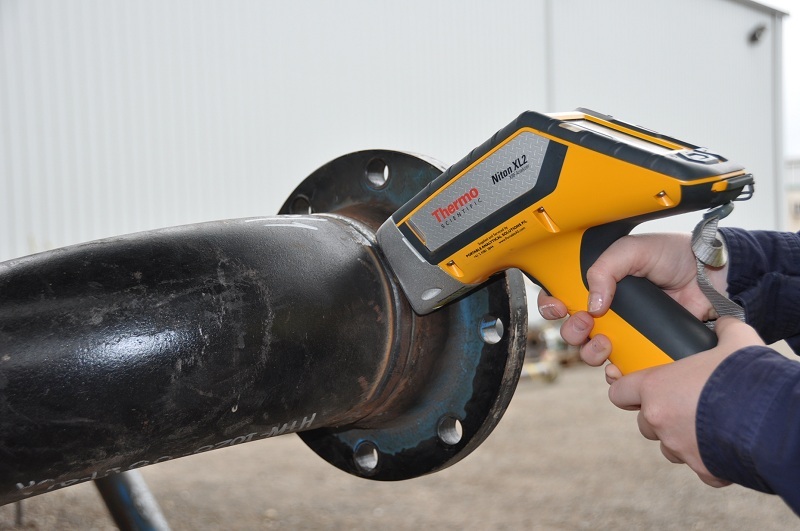
XRF devices, on the other hand, use X-ray fluorescence technology to scan surfaces quickly and determine whether they contain lead—without damaging walls or removing painted layers. This makes xrf testing nyc one of the most reliable tools for pre-renovation assessment.
Key Benefits of XRF Testing NYC During Renovations
1. Instant, Accurate Results
Time matters during renovations. With XRF testing, inspectors receive immediate readings about lead levels. This lets contractors move forward confidently with a clear plan—no waiting for lab results.
2. Non-Destructive Testing for Faster Planning
Unlike destructive sampling methods, XRF does not require scraping, drilling, or damaging surfaces. This is ideal for occupied buildings, high-value units, or projects on tight schedules.
3. Full-Surface Coverage
XRF devices can test:
Window frames
Door trims
Baseboards
Walls & ceilings
Radiator covers
Moldings
Built-in cabinetry This comprehensive coverage ensures that no hazardous area is overlooked.
4. Complies with NYC & Federal Lead Laws
Renovation projects in NYC are governed by multiple rules, including:
Local Law 31
EPA RRP (Renovation, Repair & Painting) rules
NYC Childhood Lead Poisoning Prevention Act
HPD inspection requirements
XRF lead paint analysis NYC is approved under these laws because it provides documentation needed for compliance. Without proper testing, owners risk violations, forced remediation, and costly delays.
5. Reduces Liability and Protects Tenants
Lead exposure is a serious health risk, especially for children. If renovation work releases hazardous dust, property owners can face:
Thousands in penalties
Legal claims from tenants
Work stoppages
Emergency orders to remediate
An XRF report creates a clear risk assessment before any work begins, helping minimize liability.
6. Cost Savings Through Smart Planning
By knowing exactly where lead is present, contractors can target their remediation efforts. This prevents unnecessary work—and unnecessary spending.
How LeadFree NYC Prepares Your Renovation for Success
At LeadFree NYC, we provide certified residential XRF lead testing NYC and commercial inspections. Our process includes:
Step 1: Consultation & Scheduling
We assess your property type, renovation plans, and required testing areas.
Step 2: XRF Lead Paint Testing
Using advanced handheld XRF devices, we scan all relevant surfaces to detect lead in seconds.
Step 3: Written, NYC-Approved Report
You receive a detailed report including:
Lead readings
Condition of surfaces
Risk assessment
Required actions for compliance
Remediation recommendations
Step 4: Renovation Support & Post-Work Clearance
If hazards are present, we guide you on safe work practices. After the renovation, we can provide clearance testing to confirm the property meets legal requirements.
For fast service, call us at (347)-809-1360.
When Should You Get XRF Testing for Renovations?
Renovation-related lead testing should be done:
Before starting any work that disturbs painted surfaces
When purchasing an older building you plan to upgrade
Before changing windows, since these areas often contain high lead levels
Before gut renovations to ensure safe demolition
When complying with Local Law 31 for pre-1960 buildings
The earlier you test, the smoother your project will run.
FAQs About XRF Testing NYC
1. Is XRF testing required before all renovations?
If your building was built before 1978, testing is strongly recommended and often necessary to comply with NYC rules.
2. Does XRF testing damage walls?
No. XRF devices scan surfaces without drilling, scraping, or removing paint.
3. How long does it take?
Most inspections take 60–90 minutes depending on unit size. Results are instant.
4. Is XRF more reliable than lab tests?
Yes. XRF provides real-time readings and is approved for compliance reporting.
5. Do I need testing after renovation?
Yes—post-work clearance testing ensures the area is safe for occupancy.
Final Thoughts
Renovation projects in NYC can be complex, but one step you cannot skip is proper lead testing. With xrf testing nyc, property owners gain reliable, immediate insights into lead hazards—ensuring a safer renovation process and smoother compliance with local laws.
Whether you're renovating a single apartment or an entire building, LeadFree NYC provides the accurate reports, certified inspections, and expert guidance you need to move forward confidently and protect your investment.