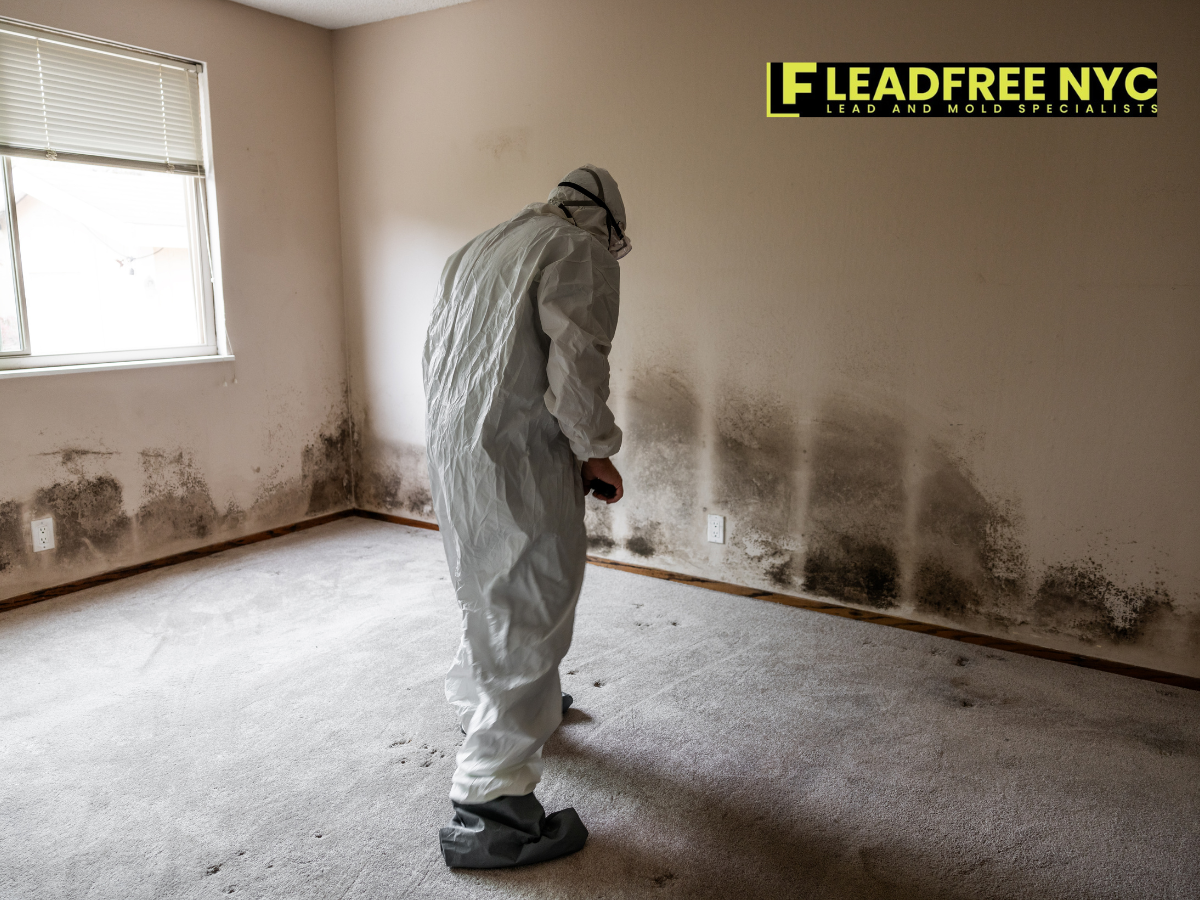
Lead dust can linger long after renovation, repainting, or repair work, posing serious health risks—especially to children and pregnant women. Dust wipe clearance testing is one of the most accurate and reliable ways to ensure your property is safe from hazardous lead dust after abatement or cleanup.
At LeadFree NYC, our certified inspectors perform precise lead dust wipe tests to verify your living or working environment meets all safety standards set by the EPA and NYC Local Law 1.
What Is Dust Wipe Clearance Testing?
Dust wipe clearance testing is a specialized method used to measure the amount of lead-contaminated dust remaining on interior surfaces such as floors, window sills, and window troughs. After lead abatement or renovation work, this test helps confirm that cleanup was effective and the property is safe for re-occupancy.
The process involves collecting samples from specific areas using pre-moistened wipes. These wipes are then sent to a certified laboratory for analysis to determine the presence and concentration of lead dust. If lead levels are within acceptable limits, the property passes the clearance test.
Why Dust Wipe Testing Matters
Even invisible traces of lead dust can be harmful. Lead exposure can result in developmental delays, learning difficulties, behavioral problems, and other severe health issues. Performing a lead dust wipe test ensures that your home or building is free from contamination before people—especially children—return.
Beyond health, clearance testing also helps property owners comply with local laws and regulations. In New York City, failure to conduct proper testing after lead work can result in HPD violations or penalties. It’s not just about compliance—it’s about protecting your family, tenants, and community.
How the Dust Wipe Clearance Testing Process Works
Initial Assessment: A certified lead inspector conducts a walkthrough to determine which surfaces require testing based on the scope of recent work and exposure risk.
Sample Collection: Using standardized techniques, the inspector wipes specific surface areas (usually 1 square foot) with specialized collection wipes. Samples are carefully labeled and sealed to prevent contamination.
Laboratory Analysis: Samples are sent to an EPA-accredited laboratory, where technicians analyze the concentration of lead particles measured in micrograms per square foot (µg/ft²).
Result Evaluation: The results are compared to EPA or HUD clearance levels. If results fall below regulatory limits, the area “passes” and is deemed safe for occupancy.
Reporting and Certification: You receive a detailed report outlining the test results, lab findings, and compliance status. If necessary, re-cleaning and re-testing may be recommended.
Benefits of Professional Dust Wipe Clearance Testing
Accurate and Certified Results: Professional inspectors follow strict EPA and HUD protocols to guarantee reliable outcomes.
Legal Compliance: Ensures your property meets all city and federal regulations.
Health Protection: Confirms a safe, lead-free environment for your family or tenants.
Documentation for Property Records: Test reports serve as official documentation for real estate transactions, renovations, and HPD filings.
Peace of Mind: Knowing your property is verified safe gives you confidence and long-term security.
When You Should Schedule a Lead Dust Wipe Test
You should consider dust wipe clearance testing after:
Lead abatement or encapsulation work
Renovations involving sanding, scraping, or demolition
HPD or DOH violation notices
Tenant turnover in pre-1978 buildings
Routine safety checks in childcare facilities, schools, or older residences
Even if no renovation has taken place, periodic testing can ensure that hidden sources of lead dust are identified early.
Why Choose
At LeadFree NYC, we specialize in comprehensive lead testing services across New York City, including dust wipe clearance testing, XRF inspections, and lab-based sampling. Our certified technicians use advanced tools and strict EPA guidelines to deliver accurate, reliable, and legally compliant results.
We don’t just test; we help you understand your results and guide you through any next steps—whether that means clearance documentation or remediation recommendations. With years of experience and a strong focus on safety, LeadFree NYC is your trusted partner for maintaining a lead-safe environment.
Common Areas Tested During a Lead Dust Wipe Test
Bedroom and living room floors
Kitchen and hallway floors
Interior window sills and frames
Window troughs
Play areas and stairways
Each area is carefully selected to represent the most likely locations for lead dust accumulation, ensuring that the testing process captures an accurate picture of the property’s safety level.
The Role of Certified Lead Inspectors
Certified inspectors are trained under EPA’s Lead-Based Paint Activities Regulations (40 CFR Part 745). Their expertise ensures that the entire lead dust wipe test process—from sample collection to result interpretation—is handled according to national safety standards.
They also help identify any conditions that may contribute to recontamination, such as deteriorating paint, improper cleaning methods, or high-traffic zones.
What Happens If a Test Fails?
If your property fails dust wipe clearance testing, don’t panic. The process simply indicates that more cleaning or containment is needed. The property must be re-cleaned using specialized HEPA vacuuming and wet-wiping methods, after which a follow-up test is conducted. Once lead dust levels are below EPA thresholds, the clearance report will certify the area as safe.
FAQ
Q1. What is the difference between XRF lead testing and dust wipe testing? XRF testing detects lead in paint layers using an X-ray fluorescence device, while dust wipe testing measures lead dust present on surfaces after renovation or cleaning. Both are essential for full lead safety verification.
Q2. How long does it take to get dust wipe test results? Laboratory results typically take 3–5 business days, depending on the lab’s processing time.
Q3. Can I perform a lead dust wipe test myself? DIY kits exist, but professional testing ensures accuracy, legal compliance, and proper documentation required for HPD or EPA reporting.
Q4. Is clearance testing mandatory after lead abatement? Yes. Federal and local regulations require clearance testing to confirm safe re-occupancy after abatement or renovation in lead-affected buildings.
Q5. How often should I conduct dust wipe testing? It’s advisable to test every 1–2 years for older properties, or whenever renovations disturb painted surfaces.
Conclusion
Dust wipe clearance testing is an essential safeguard for maintaining a healthy, compliant, and lead-free environment. Whether you’re a homeowner, landlord, or property manager, regular testing helps ensure that your building remains safe for occupants and compliant with NYC lead laws.
For reliable, certified lead dust wipe tests, trust LeadFree NYC—your expert partner in creating safer spaces for families and communities across New York City.