Lead hazards remain a major concern in older buildings across New York City. With strict housing regulations and increased awareness of lead-related health risks, property owners are often required to schedule professional testing. Two common services are lead inspections and lead risk assessments. Although they sound similar, they serve different purposes.
Understanding the difference between these two services helps property owners choose the right test, stay compliant with local laws, and maintain a safe living environment.
What Is a Lead Inspection?
A lead inspection is a test used to determine whether lead-based paint is present on surfaces within a property. It does not evaluate the condition of the paint or the level of risk. Instead, it simply confirms whether lead exists.
How lead inspections work
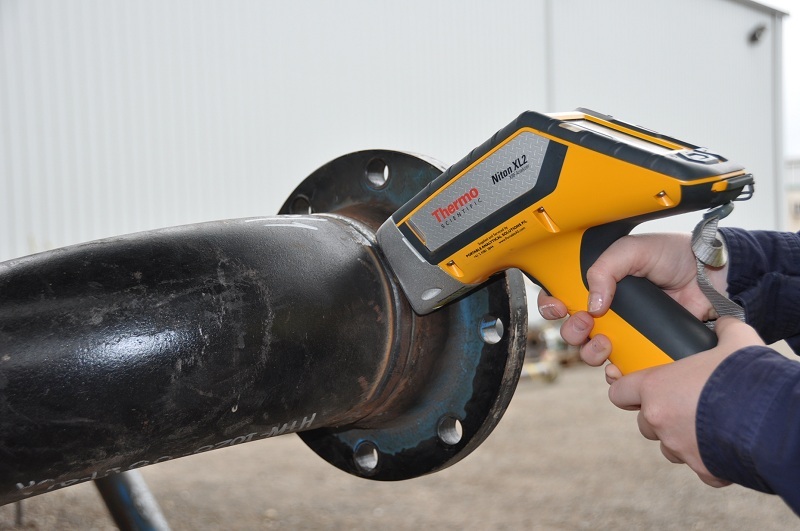
Certified inspectors use an X-ray fluorescence (XRF) analyzer to scan painted surfaces. This handheld device provides immediate results without damaging walls, windows, or other components.
Areas typically inspected
Walls and ceilings
Doors and door frames
Window sills and frames
Baseboards and trim
Radiators and pipes
The result is a report showing which surfaces contain lead-based paint.
What Is a Lead Risk Assessment?
A lead risk assessment goes a step further. It identifies not only the presence of lead but also whether it poses a hazard to occupants.
Instead of focusing only on paint, a risk assessment evaluates the overall condition of the property and the likelihood of lead exposure.
What a risk assessment includes
Visual inspection of painted surfaces
Dust sampling
Soil sampling (if needed)
Evaluation of deteriorating paint
Identification of high-risk areas
The final report outlines specific hazards and recommends corrective actions.
Key Differences Between a Lead Inspection and a Risk Assessment
Although both services involve lead testing, their goals are different.
Lead inspection
Identifies where lead-based paint exists
Uses XRF technology
Does not evaluate risk
Provides a presence-or-absence report
Lead risk assessment
Identifies actual lead hazards
Includes dust and soil testing
Evaluates conditions that may cause exposure
Provides recommendations for repairs
In simple terms, an inspection answers the question, “Is lead present?” A risk assessment answers, “Is lead a hazard here?”
When Do You Need a Lead Inspection?
A lead inspection is often required in the following situations:
Compliance with local housing laws
Building-wide testing requirements
Real estate transactions
Rental property regulations
Local Law compliance in NYC
Property owners frequently schedule inspections to document the presence of lead and meet regulatory requirements.
When Is a Lead Risk Assessment Required?
A lead risk assessment is typically needed when there is a known or suspected hazard.
Common scenarios
A child has elevated blood lead levels
Peeling or deteriorating paint is present
A housing violation has been issued
Tenants report potential hazards
After renovation or damage to painted surfaces
A risk assessment provides a plan to correct the problem safely.
Which Test Does New York City Require?
New York City lead regulations may require different types of testing depending on the situation.
Common NYC requirements
Building-wide lead inspections for certain properties
Risk assessments after violations
Clearance testing after repairs
Annual visual inspections in apartments with young children
Understanding the specific requirement helps property owners avoid fines and delays.
Professional providers such as LeadFree NYC Specialists help property owners determine which test is required and complete the process correctly.
The Inspection and Assessment Process
Although the goals differ, both services follow a structured process.
Step 1: Initial walkthrough
The inspector or assessor reviews the property and identifies areas to test.
Step 2: Testing
Inspections use XRF devices on painted surfaces.
Risk assessments include dust or soil sampling.
Step 3: Analysis
Samples, if collected, are sent to a laboratory for testing.
Step 4: Report
A detailed report is issued with findings and recommendations.
Cost Differences Between the Two Services
Costs vary depending on the size of the property and the type of service.
Typical cost ranges in NYC
Lead inspection
Small apartment: $250–$400
Larger unit: $400–$700
Lead risk assessment
Apartment: $400–$800
Multi-unit building: varies by size
Although a risk assessment is usually more expensive, it provides more detailed information.
Why Choosing the Right Test Matters
Selecting the correct service helps property owners:
Meet legal requirements
Avoid unnecessary costs
Address hazards effectively
Protect tenants from exposure
Maintain property value
Scheduling the wrong test can lead to delays or additional inspections.
Working with experienced providers like LeadFree NYC Specialists ensures you receive the correct service for your situation.
FAQ Funnel: Lead Inspection vs. Risk Assessment
What is a lead inspection?
A lead inspection identifies whether lead-based paint is present in a property.
What is a lead risk assessment?
A risk assessment identifies lead hazards and recommends corrective actions.
Which test is more detailed?
A lead risk assessment is more detailed because it evaluates actual hazards.
Do both tests use XRF technology?
Lead inspections use XRF devices, while risk assessments may include additional dust or soil testing.
Which test do I need for NYC compliance? It depends on the situation. Some laws require inspections, while others require risk assessments after violations.
How do I schedule the correct test? Contact a certified provider who can review your situation and recommend the appropriate service.
Final Thoughts
Lead inspections and lead risk assessments serve different but equally important purposes. An inspection identifies where lead is present, while a risk assessment determines whether it poses a hazard.
Understanding the difference helps property owners make informed decisions, comply with local laws, and maintain safe living conditions. Scheduling the right service at the right time is one of the most effective ways to protect both residents and property investments.