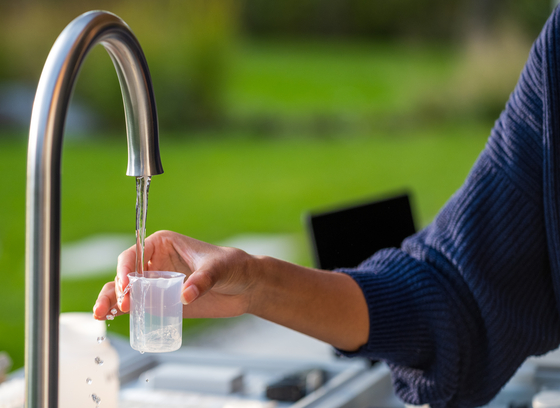
New York City is known for its high-quality drinking water, often praised for its taste and strict treatment standards. Many residents proudly drink straight from the tap. But with concerns about aging pipes and lead in older buildings, more people are asking a practical question:
Do you really need a water filter in NYC?
This guide compares NYC tap water and filtered water, explains when a filter is necessary, and helps you decide what’s best for your home.
Where NYC Tap Water Comes From
New York City’s drinking water comes from a system of protected reservoirs and watersheds located in the Catskill and Delaware regions. This water travels through aqueducts for more than 100 miles before reaching the city.
Because the source water is naturally clean, NYC is one of the few major U.S. cities that does not require full filtration. Instead, it uses disinfection and strict watershed protection to maintain quality.
At the treatment stage, the water meets or exceeds federal and state safety standards.
Why Tap Water Quality Can Change at the Building Level
Even though the city’s water supply is considered safe, the plumbing inside buildings can affect what comes out of the tap.
Common issues include:
Lead service lines
Lead solder in pipe joints
Corroded interior pipes
Brass fixtures containing lead
Buildings constructed before 1986 are more likely to contain lead plumbing components. In these cases, water that leaves the treatment plant lead-free may pick up lead before it reaches your faucet.
Tap Water vs. Filtered Water: Key Differences
NYC Tap Water
Pros
Generally safe at the source
Low cost
Environmentally friendly
Widely available
Cons
Quality depends on building plumbing
Possible lead exposure in older buildings
Taste and odor may vary by location
Filtered Water
Pros
Reduces lead and other contaminants
Improves taste and odor
Provides peace of mind
Cons
Ongoing filter replacement costs
Requires maintenance
Not all filters remove lead
When You Probably Don’t Need a Filter
You may not need a filter if:
Your building was built after 1986
Your plumbing has been recently replaced
Your water test shows low or no lead
You’re satisfied with the taste and odor
In these cases, NYC tap water is typically safe to drink.
When a Filter Is Recommended
Using a filter is a good idea if:
Your building was built before 1986
You live in a prewar apartment or brownstone
Your water test shows elevated lead levels
You have infants, young children, or are pregnant
You notice unpleasant taste or odor
In these situations, a certified lead-removal filter can significantly reduce exposure.
Types of Water Filters for NYC Homes
Faucet-mounted filters
Easy to install
Affordable
Good for small households
Pitcher filters
Portable and inexpensive
No installation required
Slower filtration process
Under-sink systems
Higher filtration capacity
Hidden installation
Higher upfront cost
No matter the type, always choose a filter that is NSF-certified for lead removal if lead is a concern.
Cost Comparison: Tap vs. Filtered Water
Tap water
Extremely low cost per gallon
No equipment required
Filtered water
Initial filter purchase
Ongoing cartridge replacements every 2–6 months
Even with filter costs, filtered tap water is still far cheaper than bottled water.
Is Bottled Water a Better Option?
Many people turn to bottled water when they’re concerned about tap quality. However:
Pros
Convenient
No installation required
Cons
Expensive over time
Environmental impact from plastic waste
Not always higher quality than filtered tap water
In most cases, a certified filter is a more cost-effective and environmentally friendly option.
The Role of Water Testing
The best way to decide whether you need a filter is to test your tap water.
New York City offers free lead testing kits for residents. Testing helps you:
Confirm if lead is present
Choose the right filter if needed
Monitor changes over time
Without testing, decisions are based on assumptions rather than data.
Simple Decision Guide
You likely don’t need a filter if:
Your building is newer
Your water test shows low lead
You’re satisfied with taste and odor
You should use a filter if:
Your building is older
Lead is detected in testing
You have children or pregnant residents
Common Myths About NYC Tap Water
“NYC tap water is always safe everywhere”
The source water is safe, but building plumbing can affect quality.
“All filters remove lead”
Only filters certified for lead reduction are effective.
“Bottled water is safer than tap water”
Not necessarily. Many bottled waters come from municipal sources.
Final Thoughts
New York City’s water supply is among the best in the country, but the plumbing inside individual buildings can make a big difference. Whether you need a filter depends largely on the age of your building and your water test results.
For many residents in older buildings, a certified lead-removal filter is a simple and affordable way to improve water safety. For those in newer buildings with clean test results, tap water alone may be perfectly fine.
If you’re unsure, the smartest first step is to test your water. From there, you can decide whether filtration is necessary for your home.