New York City has some of the most comprehensive lead safety laws in the United States. Among these regulations, NYC XRF testing requirements play a critical role in identifying and managing lead-based paint hazards in older residential buildings. Understanding when XRF testing is required, how it works, and who is responsible for compliance is essential for property owners, landlords, and families living in pre-1978 housing.
Because lead exposure poses serious health risks—especially to young children—NYC has expanded its enforcement of lead paint inspection and documentation. XRF lead testing is now a cornerstone of citywide compliance and long-term public health protection.
This guide explains how XRF testing works, which buildings must comply, and what the process means for NYC residents.
What Is XRF Lead Testing
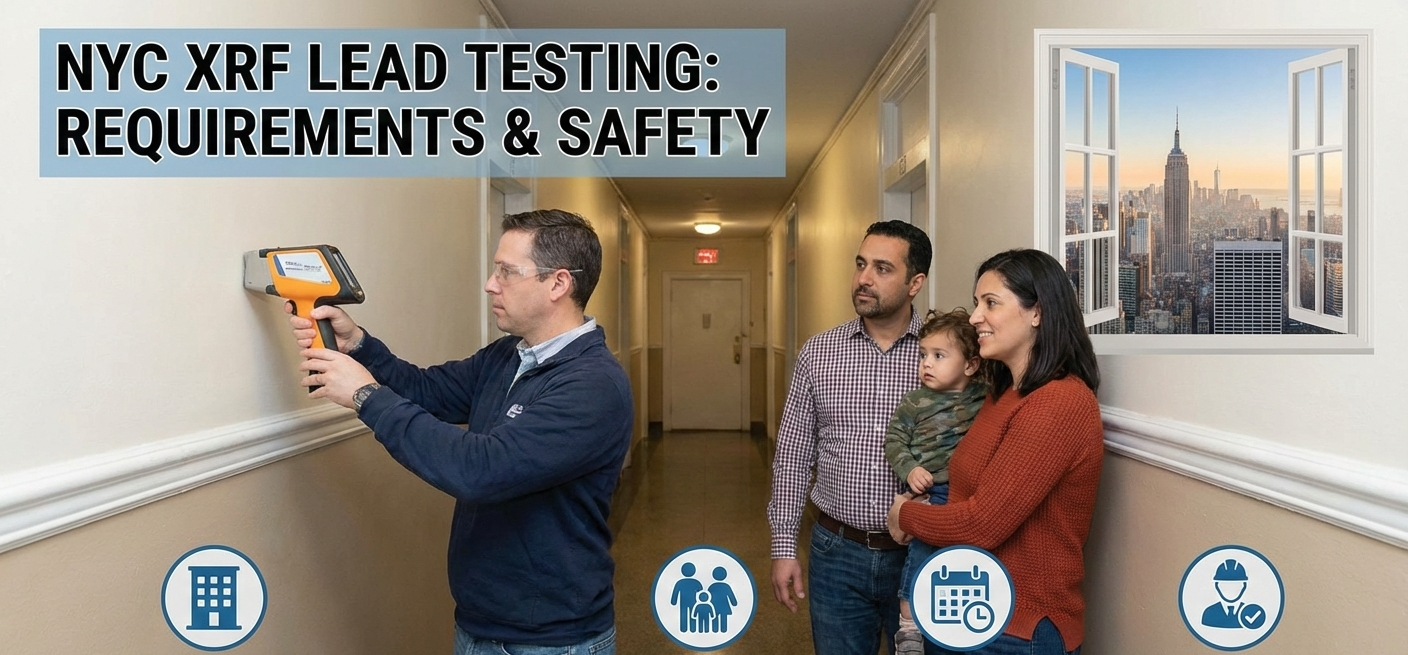
XRF lead testing is a non-destructive method used to detect lead-based paint on painted surfaces. XRF stands for X-ray fluorescence, a technology that measures lead content without scraping, cutting, or damaging the surface being tested.
XRF lead-based paint testing is widely recognized as the most accurate and efficient inspection method for older buildings because it allows inspectors to evaluate multiple surfaces quickly and safely.
Key characteristics of XRF testing include:
No paint removal or surface damage
Immediate results during inspection
Precise measurement of lead concentration
Safe for occupied apartments
Because of these advantages, XRF lead testing NYC standards rely on this method for regulatory compliance and documentation.
Why NYC Requires XRF Testing
New York City’s housing stock includes tens of thousands of buildings constructed before modern safety standards were established. Lead-based paint was commonly used in residential properties until it was banned for residential use in 1978.
The city enforces XRF testing NYC requirements to:
Identify hidden lead paint hazards
Protect children from lead exposure
Prevent unsafe renovations
Ensure accountability among property owners
Reduce long-term public health risks
Lead paint inspection laws are designed not only to identify hazards but also to prevent lead dust from spreading during repairs, turnover, or remodeling.
Which Buildings Must Comply With NYC XRF Testing Requirements
NYC XRF testing requirements apply primarily based on building age and occupancy.
Buildings constructed before 1960
XRF lead testing is required for all residential units
Common areas such as hallways, stairwells, and lobbies must also be tested
Results must be documented and maintained
Buildings constructed between 1960 and 1978
Testing is required if the owner knows or reasonably suspects lead-based paint is present
Many owners choose testing proactively to avoid violations
Apartments with children under six
Units where young children reside face stricter oversight
Lead paint inspection may be required sooner if hazards are suspected
These requirements apply to both rental properties and cooperatives, regardless of ownership structure.
What Surfaces Are Tested During XRF Inspections
XRF lead-based paint testing covers painted surfaces throughout a unit and common areas.
Typical inspection points include:
Walls and ceilings
Doors and door frames
Windows, sills, and wells
Baseboards and trim
Stair railings and handrails
Radiators and pipe coverings
Inspectors test representative surfaces to determine whether lead paint is present and whether it poses a hazard due to deterioration.
Who Is Allowed to Perform XRF Lead Testing in NYC
Only certified professionals are permitted to conduct lead testing XRF inspections in New York City.
Requirements include:
EPA-certified lead inspector or risk assessor credentials
Use of a calibrated and approved XRF analyzer
Compliance with NYC and federal reporting standards
Using uncertified personnel or informal testing methods does not satisfy NYC XRF testing requirements and can result in violations or rejected documentation.
What Happens After XRF Testing Is Completed
Once testing is completed, property owners receive a detailed inspection report.
The report typically includes:
List of tested surfaces
Lead readings for each surface
Classification of lead-based paint presence
Inspector certification details
Date and methodology of inspection
If lead paint is detected, owners are responsible for managing or remediating hazards according to NYC regulations.
Lead Paint Inspection vs XRF Testing
While XRF lead testing is a form of lead paint inspection, it differs from visual assessments or DIY test kits.
Key differences include:
XRF testing provides quantitative results
Visual inspections identify deterioration but not lead content
DIY kits are not accepted for compliance
XRF results are legally defensible and documented
Because of these differences, XRF testing NYC standards rely on professional inspections rather than consumer testing methods.
Recordkeeping and Compliance Responsibilities
Documentation is a critical part of NYC XRF testing requirements.
Property owners must:
Retain XRF testing records for multiple years
Provide reports upon request by city agencies
Submit documentation during enforcement actions or property transactions
Failure to produce records can result in fines, violations, and delayed approvals.
Consequences of Non-Compliance
Failing to meet NYC XRF testing requirements can have serious legal and financial consequences.
Potential outcomes include:
Hazardous violations issued by housing authorities
Civil penalties and fines
Mandatory remediation orders
Delays in renovations or property sales
Increased liability if lead exposure occurs
Proactive testing reduces risk and demonstrates due diligence.
Why XRF Testing Matters for Families
For families, especially those with young children, XRF lead testing provides peace of mind.
Benefits include:
Early identification of lead hazards
Safer living environments
Reduced exposure to lead dust
Better-informed maintenance decisions
Knowing whether lead paint is present allows families to take preventive steps before problems arise.
Role of Professional Lead Services
Navigating NYC’s lead regulations can be complex. Professional lead testing providers help property owners and residents stay compliant while protecting health.
LeadFree NYC offers certified XRF lead testing services designed specifically for New York City buildings, helping clients meet legal requirements while prioritizing safety and accuracy.
Frequently Asked Questions
What does XRF stand for in lead testing?
XRF stands for X-ray fluorescence, a technology used to measure lead content in painted surfaces without damaging them.
Is XRF lead testing required for all NYC buildings?
XRF testing is primarily required for residential buildings constructed before 1960 and for certain buildings built between 1960 and 1978 under specific conditions.
Can I use a home lead test kit instead of XRF testing?
No. DIY kits are not accepted for compliance with NYC lead paint inspection requirements.
How long does an XRF inspection take?
Most inspections can be completed in a few hours, depending on building size and number of units.
Does XRF testing mean lead paint must be removed?
Not always. Lead paint that is intact and properly maintained may be managed rather than removed, depending on conditions.
Final Thoughts
NYC XRF testing requirements exist to protect residents, preserve housing safety, and reduce the long-term impact of lead exposure. Understanding these requirements helps property owners comply with the law and gives families confidence in their living environments.
With accurate XRF lead-based paint testing, potential hazards can be identified early, managed responsibly, and prevented from becoming serious health risks. Staying informed and proactive is the most effective way to navigate NYC’s evolving lead safety landscape.