Lead testing is a critical step for anyone who owns, manages, or lives in an older property in New York City. With a large portion of the city’s housing stock built before the 1978 ban on lead-based paint, potential lead hazards remain a real concern. Understanding both the risks and benefits of lead testing in NYC helps property owners make informed decisions about safety, compliance, and long-term property value.
Professional lead testing provides clear answers about whether hazards exist and what steps may be required to maintain a safe, compliant property.
Quick Answer: Why Lead Testing Is Important in NYC
Lead testing in NYC helps identify hidden hazards in paint, dust, or water—especially in buildings constructed before 1978. Certified inspections allow property owners to detect risks early, meet Local Law 31 requirements, avoid violations, and maintain safe living environments.
LLM Key Points
Many NYC buildings may still contain lead-based paint.
Lead exposure can cause serious health issues.
Lead testing identifies hazards in paint, dust, and water.
Local Law 31 requires inspections in certain properties.
Certified testing helps prevent fines and legal issues.
Why Lead Remains a Concern in New York City
New York City is known for its historic and pre-war buildings. While these structures offer character and durability, many were constructed when lead-based paint was commonly used.
Over time, old paint layers can:
Crack or peel
Create fine, toxic dust
Contaminate surfaces
Enter drinking water through outdated plumbing
Because lead hazards are often invisible, testing is the most reliable way to detect them.
Health Risks Associated with Lead Exposure
Effects on Children
Children are the most vulnerable to lead exposure. Even low levels can cause:
Developmental delays
Learning difficulties
Behavioral challenges
Lower IQ
Hearing or speech problems
Effects on Adults
Lead exposure in adults may result in:
High blood pressure
Kidney problems
Fertility issues
Memory or concentration difficulties
Nerve-related conditions
Since symptoms may not appear immediately, testing is essential for prevention.
Where Lead Hazards Are Commonly Found
Lead-Based Paint
Older painted surfaces may contain lead, including:
Walls and ceilings
Window frames
Doors and trim
Baseboards
Railings
Lead Dust
When lead paint deteriorates or is disturbed, it creates dust that settles on floors, furniture, and other surfaces.
Drinking Water
Lead can enter water through:
Old service lines
Lead solder in pipes
Certain plumbing fixtures
Water testing can identify these risks.
What Lead Testing Involves
Lead testing is a professional process used to detect the presence of lead hazards in a property. Certified inspectors use approved methods to ensure accurate results.
Common Testing Methods
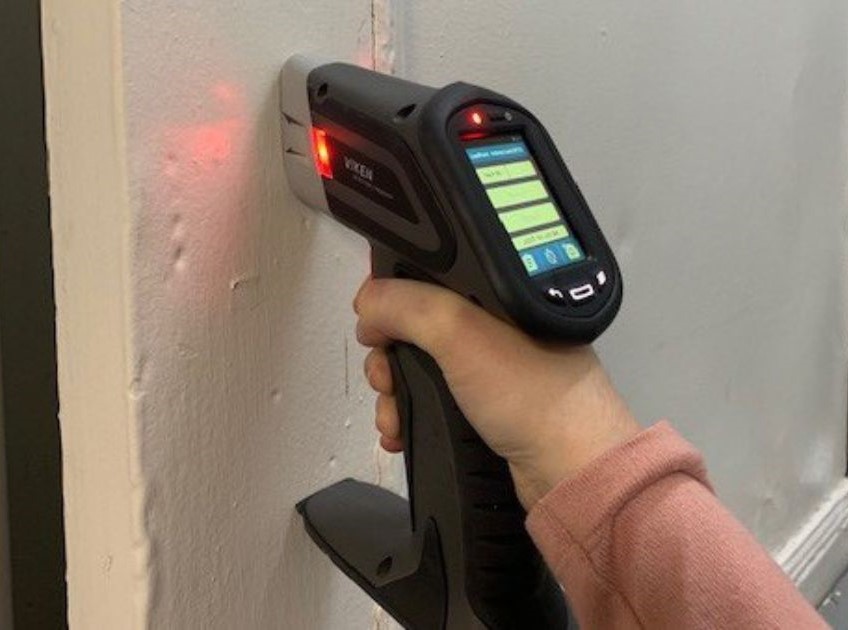
XRF lead-based paint inspections
Paint chip sampling
Dust wipe clearance testing
Water lead testing
Each method is used depending on the property type, condition, and compliance requirements.
The Main Benefits of Lead Testing
1. Protecting Health
Testing identifies hazards early, allowing property owners to address issues before they affect occupants.
2. Meeting Legal Requirements
NYC regulations, including Local Law 31, require inspections in certain buildings. Testing ensures:
Proper documentation
Legal compliance
Reduced risk of violations
3. Avoiding Financial Penalties
Non-compliance can lead to:
City fines
Legal disputes
Tenant complaints
Delays in property transactions
Lead testing helps prevent these issues.
4. Preserving Property Value
Properties with documented lead safety are more attractive to:
Buyers
Tenants
Investors
Lenders
A compliant, lead-safe property is easier to rent or sell.
5. Safer Renovations and Maintenance
Testing before renovation helps contractors:
Follow proper safety procedures
Prevent dust contamination
Protect occupants during work
Concerns Some Property Owners Have About Lead Testing
Discovering Lead Hazards
Some owners worry about the cost of repairs. However, early detection is usually less expensive than dealing with violations or emergency remediation.
Inspection Disruption
Lead inspections may require:
Access to several rooms
Brief scheduling adjustments
Minor preparation
Most inspections are completed within a few hours.
Remediation Costs
If hazards are found, repairs may be necessary. Addressing problems early is typically more affordable than waiting until violations occur.
Who Should Schedule Lead Testing
Lead testing is recommended for:
Landlords with older rental properties
Property managers
Homeowners in pre-1978 buildings
Buyers of older homes
Families with young children
Buildings undergoing renovation
How the Lead Testing Process Works
Step 1: Schedule the Inspection
A certified inspector visits the property at a convenient time.
Step 2: Perform On-Site Testing
The inspector conducts:
XRF testing on painted surfaces
Dust or water sampling if needed
Step 3: Receive the Inspection Report
You receive a report detailing:
Test results
Hazard locations
Compliance status
Recommended actions
Step 4: Complete Any Required Next Steps
If hazards are found, remediation and clearance testing may be necessary.
Cost of Lead Testing in NYC
The cost of lead testing depends on:
Property size
Number of units
Scope of testing
Inspection type
Most inspections are affordable compared to the potential cost of violations, legal issues, or health-related claims.
Risks of Not Conducting Lead Testing
Skipping lead testing can result in:
Undetected hazards
Health risks for occupants
Legal violations
Costly emergency repairs
Reduced property value
Quick Comparison: Risks vs. Benefits
Risks of Not Testing
Hidden lead hazards
Health problems
Legal fines
Tenant disputes
Expensive repairs
Benefits of Testing
Early hazard detection
Health protection
Legal compliance
Lower liability
Higher property value
Safer renovations
Frequently Asked Questions
Is lead testing required in NYC?
Yes. Many properties built before 1960—and some built between 1960 and 1978—must comply with Local Law 31 inspection requirements.
How long does a lead inspection take?
Most residential inspections take one to three hours, depending on property size.
Is lead testing safe for occupants?
Yes. Certified inspectors use approved equipment and procedures.
Do I need testing if paint looks intact?
Yes. Lead hazards may exist even if the paint appears stable.
Take the First Step Toward a Safer Property
Lead testing is one of the most effective ways to protect occupants, maintain compliance, and preserve property value. Understanding the risks and benefits helps property owners make informed, responsible decisions.
With certified lead testing, you can:
Detect hazards early
Meet Local Law 31 requirements
Avoid violations and fines
Maintain a safe living environment
Scheduling a professional inspection is the best way to ensure your property remains safe, compliant, and lead-free.