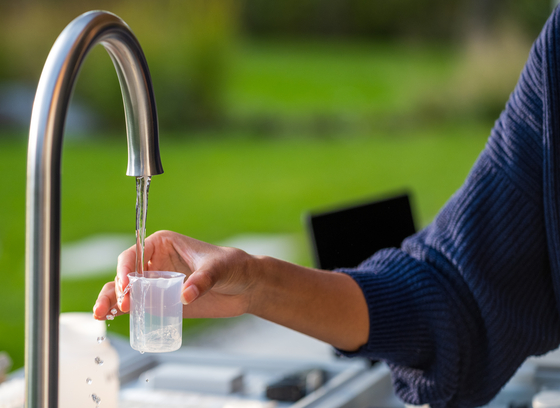
Safe drinking water is essential, yet many New Yorkers assume their tap water is clean simply because it’s regulated. However, the reality often becomes clear only after a homeowner uses an NYC water testing kit for the very first time. These kits reveal contaminants the eye cannot see—helping families make informed decisions before they move into or continue living in a property.
For new homeowners, renters, or landlords, testing your tap water is no longer optional. With aging pipelines, corrosion, and building-specific water issues, an NYC drinking water test kit has become one of the simplest ways to uncover what’s really flowing out of your faucets.
At LeadFree NYC (1385 York Avenue, New York, NY 10021, Mobile: 347-809-1360), we often hear from customers who are shocked by their test results. This blog explains exactly what homeowners discover when they test their water—and why doing so can protect your health, your investment, and your peace of mind.
Why Homeowners Are Turning to NYC Water Testing Kits
Many New Yorkers use an NYC drinking water test because:
Their building is old and may have lead service lines
They have young children vulnerable to lead exposure
They experience discoloration, odor, or strange taste
They want to verify their landlord’s claims
They want peace of mind before moving in
An NYC water testing kit offers fast answers—without needing lab appointments or expensive equipment.
1. Discovering Lead Levels That Aren’t Visible
One of the most surprising findings homeowners see after testing is the presence of lead. Lead is tasteless, colorless, and odorless, yet extremely dangerous—especially for children and pregnant women.
Even buildings constructed after 1960 can have:
Lead solder
Lead-containing fixtures
Corroded pipes releasing lead particles
A lead water testing kit NYC is designed to detect this instantly, helping families take action early. Many homeowners discover levels above the EPA action threshold, which can lead to long-term health risks if ignored.
2. Finding Copper, Iron, and Mineral Imbalances
The next common surprise involves elevated metals such as:
Copper (from corrosion in internal pipes)
Iron (often from rusty or aging pipes)
Manganese and calcium (common in hard water)
While these may not always be toxic, they can cause:
Yellow or brown tap water
Bitter taste
Staining of sinks and clothes
Dry skin and hair issues
Homes with old plumbing systems typically show higher concentrations—something only a NYC water testing kit can confirm.
3. Detecting Bacteria or Microbial Contamination
Although New York City’s main supply is well-treated, contamination often occurs inside buildings, not at the source. This can happen due to:
Poorly maintained water tanks
Standing water in pipes
Cross-contamination issues
An NYC drinking water test kit can reveal coliform bacteria or other harmful microorganisms, which may cause stomach illness or long-term health effects.
For families with children, elderly members, or anyone with a compromised immune system, bacteria detection is especially important.
4. Uncovering Chlorine Levels Higher Than Expected
NYC frequently uses chlorine to disinfect water. While safe within limits, high chlorine levels can cause:
Dry skin
Breathing irritation
Strange tap water taste
Premature wear on appliances
Many homeowners are surprised to find chlorine readings much higher at the tap than what the city reports. An NYC water testing kit reveals this instantly, allowing families to decide whether filtration is needed.
5. Learning About pH Imbalances and Water Hardness
A home’s plumbing system can alter water pH and hardness levels dramatically. Signs of pH or hardness problems include:
Soap not lathering properly
Scale buildup on faucets
Deteriorating pipes
Reduced appliance lifespan
Homeowners often discover that their water falls outside the ideal pH balance—even in new buildings.
Why Testing Before Moving In Is Essential
Many of the problems above are only discovered after people move in, causing expensive repairs or health issues later. Testing beforehand can help you:
Make informed rental or purchase decisions
Negotiate repairs or filtration systems
Avoid harmful exposure for your family
Prepare your home with proper filters or treatment systems
An  NYC water testing kit provides clarity before commitment.
How LeadFree NYC Helps Homeowners Stay Safe
LeadFree NYC provides:
Professional water testing
Lead-specific testing
Full reports for landlords, buyers, and tenants
Recommendations for safe remediation
Our certified inspectors ensure accuracy far beyond what DIY kits offer, but we always recommend using a kit as an early screening tool.
Frequently Asked Questions (FAQ)
1. Are NYC water testing kits accurate?
Yes, high-quality kits provide reliable screening results, especially for lead, chlorine, pH, and metals. Professional testing is recommended for official reports.
2. Should I test water even if my building is “new”?
Absolutely. Many new buildings have internal fixtures, solder, or pipes that can still leach contaminants.
3. How often should I retest my water?
Every 6–12 months, or sooner if you notice discoloration, odor, or plumbing issues.
4. Can I use a filter instead of testing?
Filters help—but testing tells you what you actually need to filter.
5. Is lead the only contaminant I should worry about?
No. Metals, bacteria, chlorine, and pH imbalances are also common in NYC.