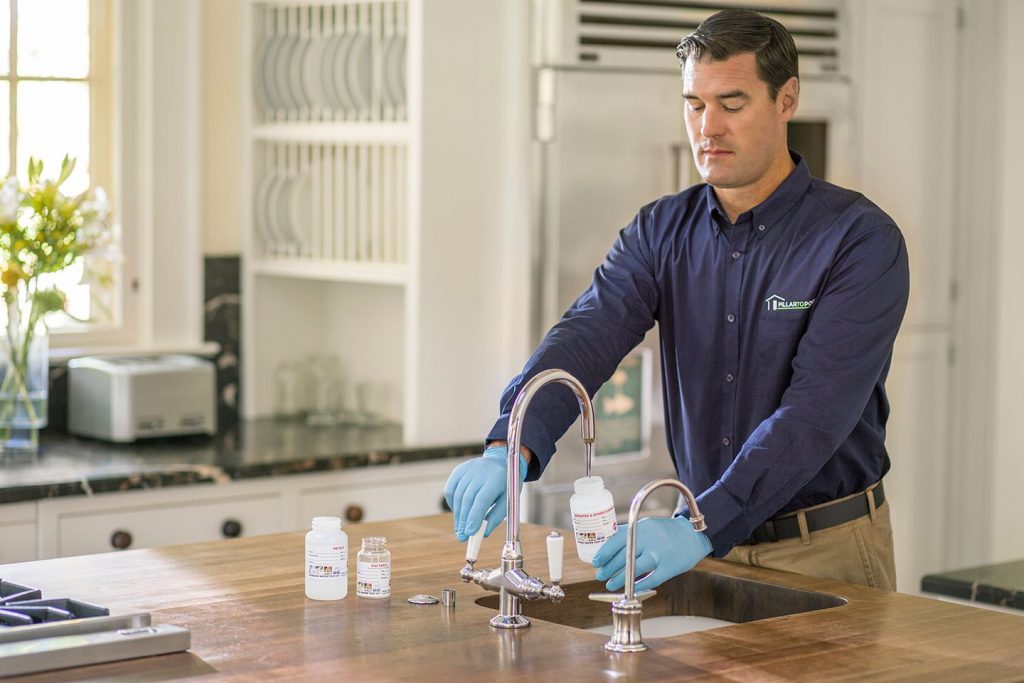
If you’ve recently moved into a home or apartment in New York City, one of the smartest health and safety steps you can take is scheduling NYC water testing. While New York is known for having some of the “cleanest tap water in the country,” aging buildings, old plumbing, corrosion, and hidden contaminants can change the quality of water by the time it reaches your faucet.
For many homeowners, their first water testing NYC report is eye-opening. It reveals issues they never expected—some harmless, others urgent. In this guide, you’ll learn exactly what the average homeowner discovers, why these findings matter, and what steps to take next.
At LeadFree NYC, we help families understand their drinking water through professional NYC drinking water tests and detailed analysis. Here’s what your first test might reveal.
Why NYC Water Testing Matters More Than Most People Realize
When homeowners hear “water testing,” they often assume it’s only necessary if the water tastes bad or looks cloudy. In reality, contamination is often invisible.
Most issues found during NYC water testing cannot be seen, smelled, or tasted. These invisible risks include:
Lead leaching from old pipes
Bacteria from plumbing corrosion
Chlorine byproducts
Heavy metals from outdated building systems
Sediments and particulates in older construction
Understanding what’s in your water allows you to protect your family’s health and meet NYC safety expectations—especially if you live in a building constructed before the 1980s.
Top Findings Homeowners Discover From Their First Water Testing Report
1. Lead Levels Higher Than Expected
Even though NYC has regulations in place, many buildings—especially pre-war apartments—still contain lead pipes, solder, or fixtures. Lead water testing NYC often shows trace or elevated lead levels, especially:
In older co-ops and condos
In homes with galvanized plumbing
In buildings that never replaced service lines
Many homeowners are shocked to learn that lead has no safe exposure level, especially for children.
2. Sediment, Rust, and Pipe Debris
NYC’s infrastructure is old. Water often travels through miles of pipes before reaching your sink.
Your first report may show:
Iron sediment
Rust from corroded pipes
Metallic particles
Turbidity (cloudiness)
These can affect taste, smell, and appliance performance.
3. Chlorine and Chemical Disinfectant Byproducts
NYC uses chlorine to disinfect water, but when chlorine reacts with organic matter, it forms byproducts.
Common findings include:
Trihalomethanes (THMs)
Haloacetic acids (HAAs)
While regulated, they can still cause concerns for long-term health.
4. Hard Water Mineral Imbalance
Many homeowners discover their water is harder than expected.
Your report may show elevated:
Calcium
Magnesium
Sodium
Lime buildup
Hard water doesn’t just affect your health—it impacts plumbing fixtures, water heaters, and dishwashers.
5. Bacteria or Microbial Growth in Old Plumbing
Even if the city sends clean water, plumbing inside a building can contaminate it.
First-time tests often detect:
Coliform bacteria
Biofilm accumulation
Stagnant water contamination
These issues are more common in multi-family buildings and properties with older plumbing systems.
What to Do After Getting Your NYC Water Testing Results
Once you receive your report, here’s how to take the next steps:
✔ 1. Understand Which Issues Are Health Risks
Some contaminants affect taste; others affect long-term safety. Lead, bacteria, and chemicals require immediate attention.
✔ 2. Identify the Source of the Problem
Contamination can come from:
Building plumbing
Fixtures and faucets
Service lines
Internal corrosion
A professional inspection can pinpoint the source so you can fix it accurately.
✔ 3. Install the Right Filtration or Treatment System
Depending on your results, solutions may include:
Whole-home filtration
Reverse osmosis systems
Faucet filters certified for lead
Regular flushing of plumbing
Replacing pipes or fixtures
✔ 4. Schedule Periodic Testing
NYC water and building systems change over time. Annual or semi-annual testing ensures your water stays safe.
At LeadFree NYC, we provide repeat testing options for homeowners and landlords to keep their homes compliant and healthy.
Benefits of Professional NYC Drinking Water Tests
Working with certified inspectors gives you:
Accurate, lab-grade results
A full breakdown of contaminants
Easy-to-understand recommendations
Compliance with NYC standards
Peace of mind for your family
We don’t just test water—we help you understand it.
FAQ: NYC Water Testing for Homeowners
1. Why should I get NYC water testing if the city claims the water is safe?
Because contamination often happens inside the building, not at the city source.
2. How long does water testing take?
Most tests take 30–45 minutes, and full reports are delivered within a few days.
3. What’s the most common issue found in NYC homes?
Lead and sediment contamination are the top two findings.
4. Is tap water safe after boiling?
Boiling kills bacteria, but it cannot remove lead or heavy metals.
5. Can landlords be required to test water?
While not always mandatory, testing is strongly recommended—especially in older properties and rentals with children.
Conclusion
Your first NYC water testing report can be surprising—but it’s one of the most valuable tools for protecting your home and your health. Whether the report reveals lead, sediment, chemicals, or bacteria, knowing what’s in your water allows you to take action before problems arise.
At LeadFree NYC, we help homeowners stay informed and proactive through accurate testing, clear reporting, and expert guidance.
For reliable NYC water testing or to schedule an inspection, contact us today.
LeadFree NYC 1385 York Avenue, New York, NY 10021| (347) 809-1360