When it comes to keeping New York City homes safe, nothing has become more essential than XRF lead testing NYC. Landlords, homeowners, and property managers trust this technology because it delivers instant, highly accurate results that meet strict NYC lead safety laws. With older buildings dominating the city, reliable testing isn’t optional — it’s a legal and health necessity. This guide explains why XRF technology stands out, what inspectors actually do during an evaluation, and why this method remains the gold standard across NYC.
Understanding the Need for Accurate Lead Detection in NYC
New York City has some of the oldest housing stock in the United States, and most pre-1978 buildings contain at least some level of lead-based paint. Flaking, peeling, or disturbed surfaces can expose families — especially young children — to serious, long-term health risks.
That is why NYC regulations, including Local Law 1 and Local Law 31, require property owners to inspect, manage, and remove lead hazards effectively. To stay compliant, landlords must rely on a testing method that is fast, precise, and approved by city standards.
This is where XRF lead inspection NYC becomes the most dependable approach.
What Exactly Is XRF Lead Testing?
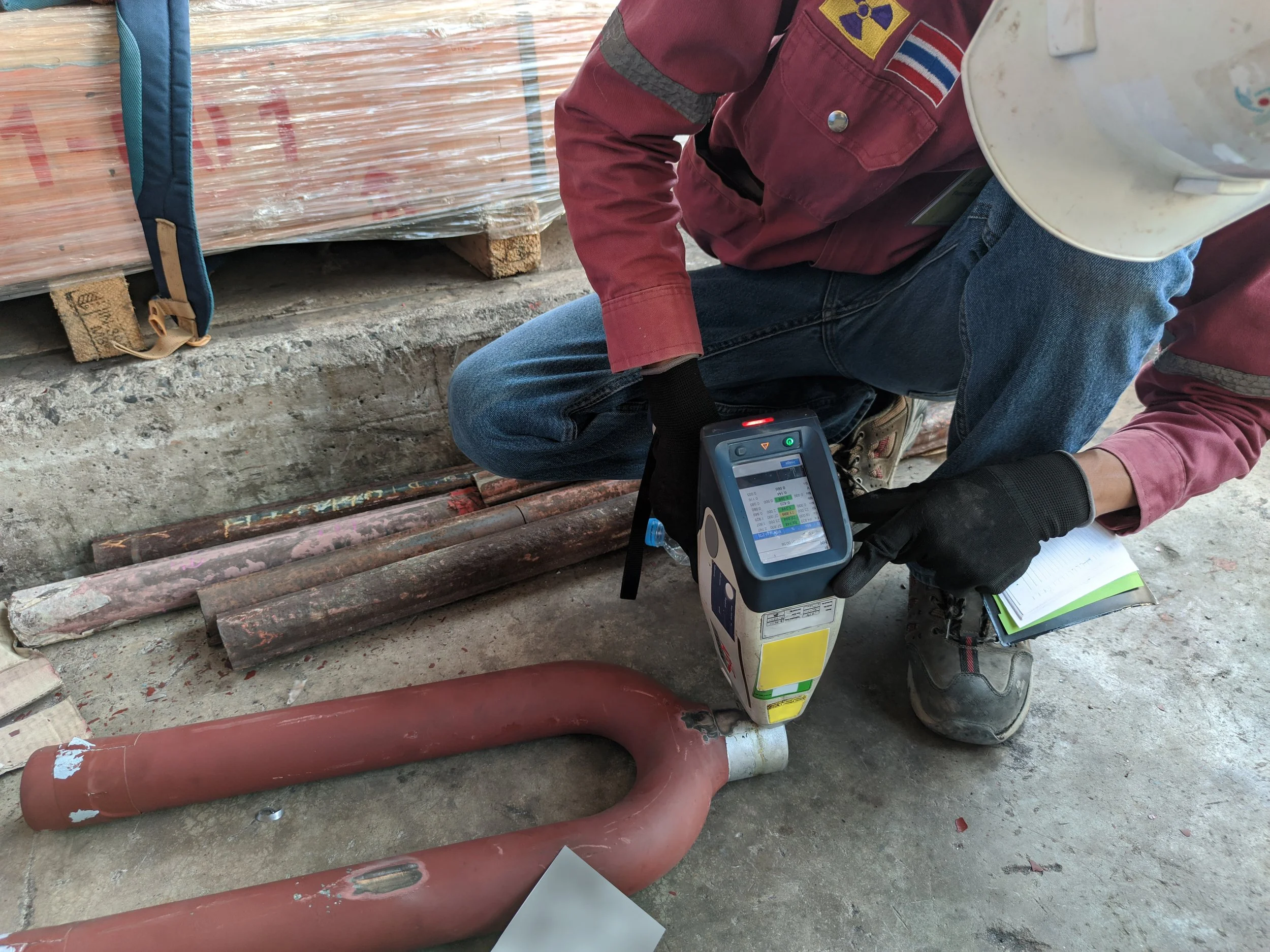
XRF stands for X-ray fluorescence, a non-destructive technology that measures the lead content in painted surfaces without damaging them. Inspectors use a handheld device that sends X-rays into a surface and analyzes the energy levels that bounce back.
Why this matters:
Surfaces DO NOT need to be scraped or destroyed
Results are generated within seconds
Walls, trim, doors, windows, railings, and baseboards can all be tested
Even deep layers of paint are measured accurately
Because of this precision, handheld XRF lead paint testing NYC has become the preferred tool used by certified inspectors and mandated in many city compliance cases.
Why XRF Lead Testing NYC Is the Most Trusted Method
1. Unmatched Accuracy for NYC Compliance
The XRF device measures lead levels in milligrams per square centimeter. This level of precision is required to determine whether a surface exceeds the legal threshold. NYC inspectors and laboratories rely on these readings because they meet federal HUD and EPA guidelines.
2. Fast Results with Full Property Coverage
Traditional lab testing takes days. XRF gives results instantly.
That means:
Faster compliance checks
Quicker rental turnover
Less disruption for tenants
Immediate safety decisions
For large apartment buildings, this speed is especially valuable.
3. Non-Destructive and Safe
No paint chips. No scratches. No dust exposure.
This makes XRF the safest option for both families and inspectors — especially in occupied apartments.
4. Recognized by NYC Authorities
When landlords schedule compliant inspections, the city expects valid, accurate data. NYC XRF lead paint analysis is fully accepted by:
HPD
HUD
EPA
DOH
This eliminates disputes and delays when submitting inspection documentation.
5. Essential for Local Law 31 Requirements
Under Local Law 31, landlords must inspect every unit in a pre-1960 building, and XRF testing is the most efficient way to test all painted surfaces before the deadline. Without an approved method like XRF, landlords risk HPD violations and steep fines.
How Inspectors Conduct XRF Lead Testing in NYC
A certified lead inspector follows a structured procedure to ensure accuracy and compliance.
Step-by-Step Process
1. Full Visual Assessment
Inspectors first check for:
Peeling paint
Moisture problems
Damaged surfaces
Friction surfaces (windows/doors)
2. Calibration of the XRF Device
Before testing any surface, the device must be calibrated using a manufacturer-approved standard.
3. Testing Every Required Surface
Inspector scans:
Interior walls
Ceilings
Doors & frames
Windows & sills
Baseboards
Cabinets
Metal railings
Each measurement is recorded in mg/cm² to determine lead presence.
4. Data Report Creation
After testing, a complete digital report includes:
Pass/fail readings
Photos
Surface conditions
Recommendations
Compliance notes
This report is essential for landlords, buyers, and property managers.
Why Property Owners Choose LeadFree NYC
LeadFree NYC delivers certified and fully compliant XRF inspections across New York City. With advanced equipment, fast reporting, and deep knowledge of NYC laws, they help property owners stay safe and avoid costly violations.
1385 York Avenue, New York, NY 10021 | (347)-809-1360
Whether you're preparing for Local Law 31, buying a home, or managing rentals, professional inspections are essential.
FAQ – XRF Lead Testing NYC
1. Is XRF testing required in NYC?
While not mandatory for every case, it is the preferred and widely accepted method for compliance with Local Law 31 and HPD inspections.
2. Does XRF testing damage walls or paint?
No. It is completely non-destructive, making it ideal for occupied units.
3. How long does a full apartment inspection take?
A typical one-bedroom unit takes about 30–45 minutes. Larger units take longer.
4. Are XRF results accurate?
Yes. XRF devices are approved by HUD and EPA and are considered the most reliable testing method.
5. When should landlords schedule XRF testing?
Before new tenant occupancy, before renovations, when buying or selling a property, or when required by NYC law.
Conclusion
XRF lead testing NYC stands out as the most reliable inspection method because it offers unmatched accuracy, instant results, and complete compliance with NYC laws. For landlords, real estate buyers, and homeowners, this technology provides peace of mind and protects both health and property investment. With strict regulations and aging buildings, choosing a certified provider like LeadFree NYC ensures your inspection is accurate, compliant, and professionally handled.