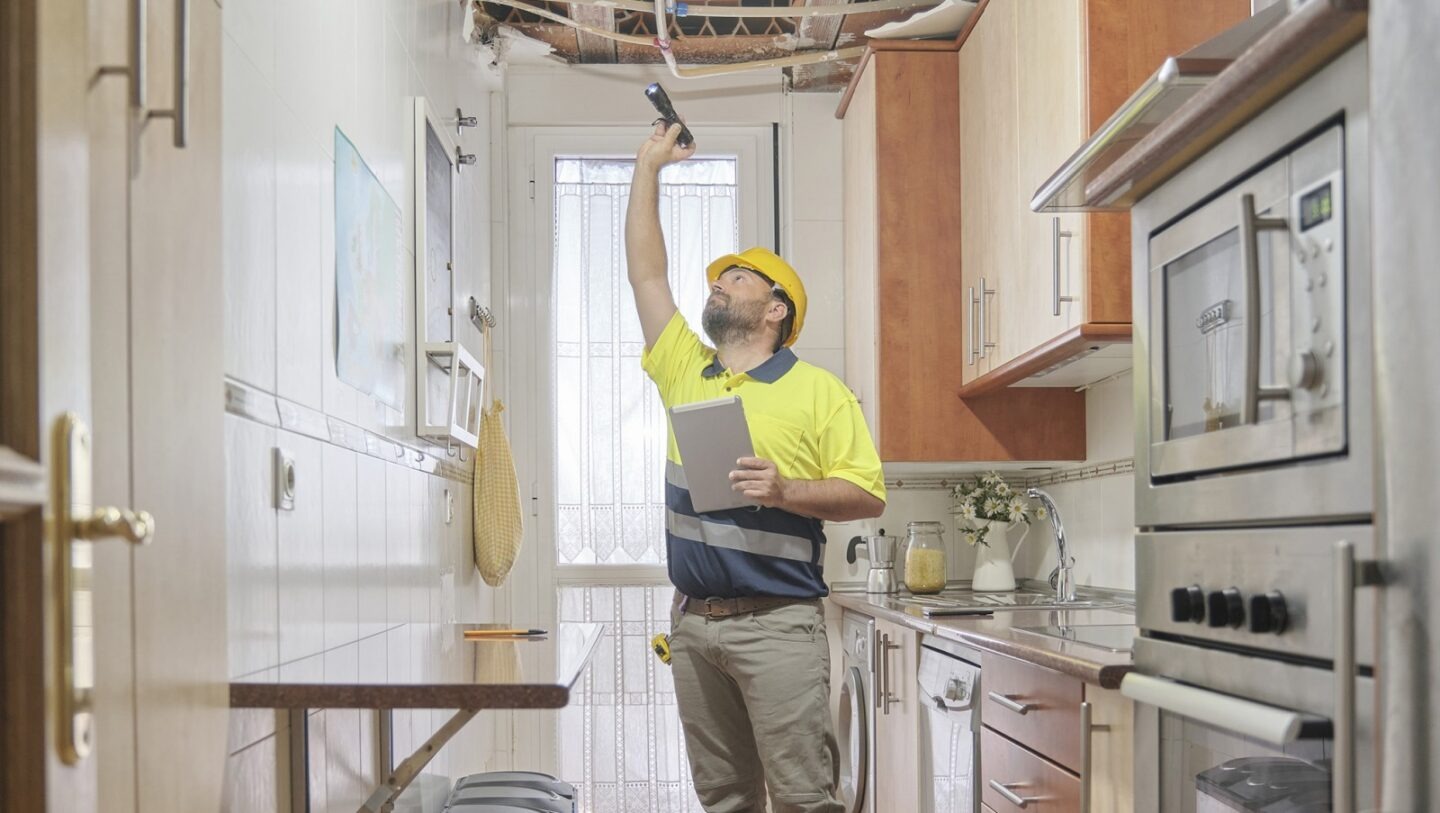
When it comes to New York City housing laws, few topics cause as much confusion as XRF lead testing NYC. With ongoing updates to Local Law 31 and strict HPD enforcement, many landlords unknowingly rely on outdated information—leading to avoidable violations and costly penalties.
This guide breaks down the most common myths, explains what XRF testing really does, and shows how property owners can stay fully compliant.
Myth #1: “XRF Testing NYC Is Only Required If Your Building Is Old”
Many landlords believe XRF inspections apply only to extremely old buildings, but that’s not true.
The Reality
Any pre-1960 residential building in NYC must undergo XRF lead testing unless it has already proven to be lead-free. Buildings from 1960–1978 can also be required to test if lead paint is suspected.
Even if a property “looks fine,” HPD still classifies it as a lead-risk unless formally tested.
In short: If your rental is older than 1960 → You must get XRF testing. If your rental is 1960–1978 → You may still need testing depending on paint history.
Myth #2: “A Visual Inspection Is Enough—You Don’t Need XRF Lead Testing”
This is one of the biggest misunderstandings among landlords.
The Reality
A visual check cannot confirm whether paint contains lead. Chipping paint, cracks, and peeling areas only show deterioration—not composition.
Residential XRF testing NYC is the only HPD-approved method that measures lead levels through the paint layers, even when surfaces appear perfectly intact.
XRF devices use X-ray fluorescence technology to detect lead instantly without damaging walls, woodwork, or doors.
Myth #3: “XRF Lead Testing NYC Takes Too Long and Disrupts Tenants”
Some landlords avoid testing because they assume it’s a multi-day process that requires empty units.
The Reality
Modern handheld XRF devices make the process fast and non-intrusive.
No drilling
No paint removal
No relocation of tenants
No dust generation
A certified technician can test an average NYC apartment in 1–2 hours. Larger buildings may require more time, but the testing itself remains clean and tenant-friendly.
Myth #4: “You Only Need To Do XRF Testing Once”
Many landlords schedule XRF testing only when they get a violation—but that’s a costly assumption.
The Reality
NYC requires lead inspections at specific times, including:
Before a new tenant with a child under 6 moves in
During HPD audits
As part of Local Law 31’s ongoing compliance schedule
Even if your building passed once, HPD can require periodic retesting or verification.
Failing to maintain updated records is one of the top reasons landlords receive unexpected violations.
Myth #5: “Dust Wipe Tests Are the Same as XRF Lead Testing”
Landlords often confuse these two completely different tests.
The Reality
Dust wipe testing checks exposure XRF testing checks presence of lead paint
Dust wipes collect settled dust from floors and windows to measure lead levels that occupants might breathe or touch. XRF analyzes the actual painted surface and identifies if the lead hazard exists in the structure.
Both tests serve important purposes but are not interchangeable.
Myth #6: “XRF Lead Testing NYC Is Too Expensive for Small Landlords”
A lot of property owners assume only big management companies can afford it.
The Reality
Professional XRF lead testing NYC is more affordable than many expect—especially compared to violation costs.
HPD penalties can reach thousands per day
Lead hazard correction orders add repair costs
Court involvement becomes extremely expensive
Most landlords discover that scheduling testing early is significantly cheaper than dealing with fines later.
Why NYC Landlords Need Accurate XRF Testing Now More Than Ever
Violations have increased in recent years as HPD strengthens its enforcement. With more tenants aware of lead safety rights, landlords must be proactive—not reactive.
Accurate XRF testing helps you:
Prevent HPD violations
Protect your tenants
Meet Local Law 31 deadlines
Provide proper documentation during audits
Avoid emergency repair charges
Partnering with a certified inspector ensures peace of mind and long-term compliance.
FAQs: XRF Lead Testing NYC
1. Is XRF testing safe for tenants and children?
Yes. The XRF device emits low-level, controlled X-ray energy that is safe and non-invasive. No surfaces are damaged.
2. How long does residential XRF testing NYC take?
Most apartments take 1–2 hours. Larger buildings can take a few hours more depending on unit count.
3. Do I need to clear furniture before testing?
Only small adjustments may be needed. Technicians simply require clear access to painted surfaces.
4. How often must landlords repeat XRF testing?
Testing may be required during new tenant occupancy, Local Law 31 timelines, or HPD audits—even if prior results were negative.
5. Who performs certified XRF lead testing in NYC?
Only EPA-certified and NYC-licensed inspectors, such as the professionals at LeadFree NYC, can perform legal XRF testing.
Conclusion
Landlords who rely on outdated assumptions risk costly HPD violations, legal issues, and tenant safety concerns. By understanding the truth behind these common myths and scheduling accurate xrf lead testing nyc, property owners can stay compliant, protect residents, and avoid unnecessary penalties.
For reliable, certified inspections, LeadFree NYC provides professional XRF and lead safety testing services across all boroughs—ensuring your building meets every requirement with confidence.